
POS & Retail Promotion Displays
POS displays — point of sale, point of purchase, retail promotion signage. The sign that stands next to the product at the moment somebody is deciding whether to pick it up.
That is a different job from a poster on a wall. A POS sign talks to one person who is already standing in front of the thing it refers to, so it can be smaller and say less, as long as it answers the question actually in their head: what is it, how much, why this one.
Slide-in frames that change in seconds, counter frames, height-adjustable floor stands and clip-on holders for fixtures with no counter or floor space to spare.
Wholesale and retail · Indoor use · Scroll down for how to choose
- Product
- Qty in Cart
- Quantity
- Price
- Subtotal
-


Re-Writable Clip-On Sign Holder - Black Acrylic, Swivel Clip
TLT Retail Display
$7.35This is the clip-on sign holder - a write-on board on a spring clip. For printed signs in a frame instead, see the A4 table top sign holder.$7.35 -
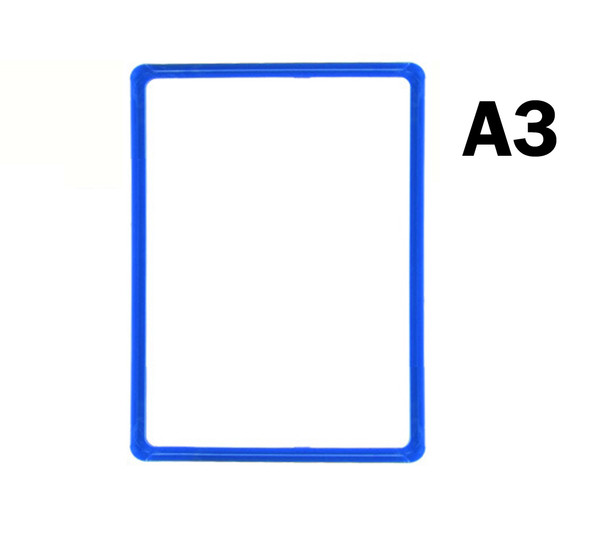
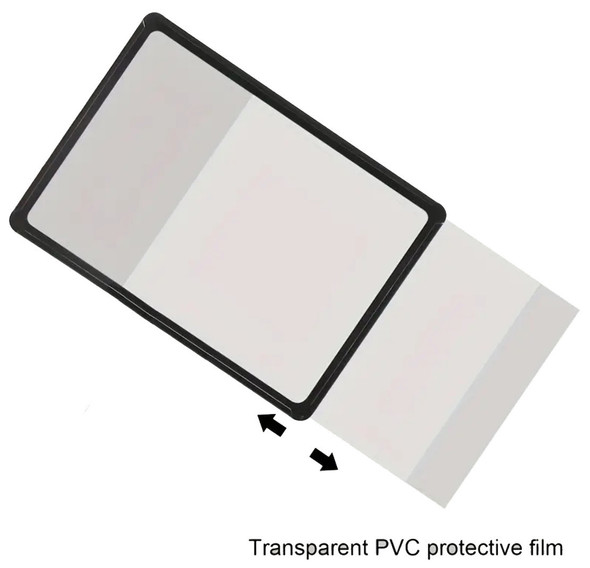
A3 POS Sign Holder Frame - PVC Slide-In, Blue
TLT Retail Display
$8.55This is the frame on its own, in blue. Also in black, red; or in$8.55 -

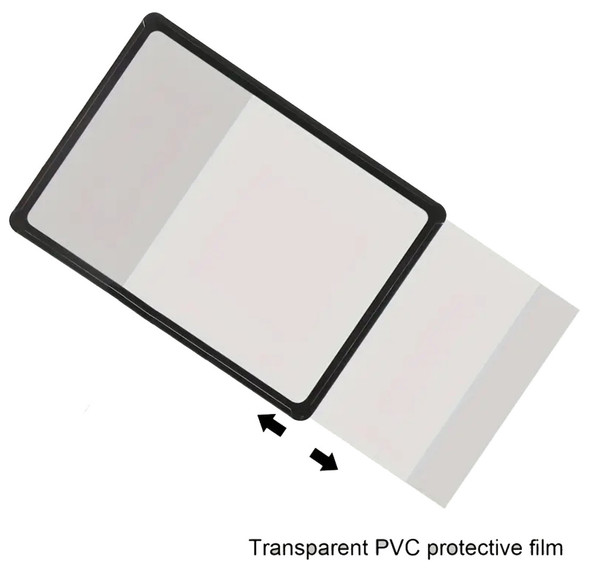
A3 POS Sign Holder Frame - PVC Slide-In, Red
TLT Retail Display
$8.55This is the frame on its own, in red. Also in black, blue; or in$8.55 -
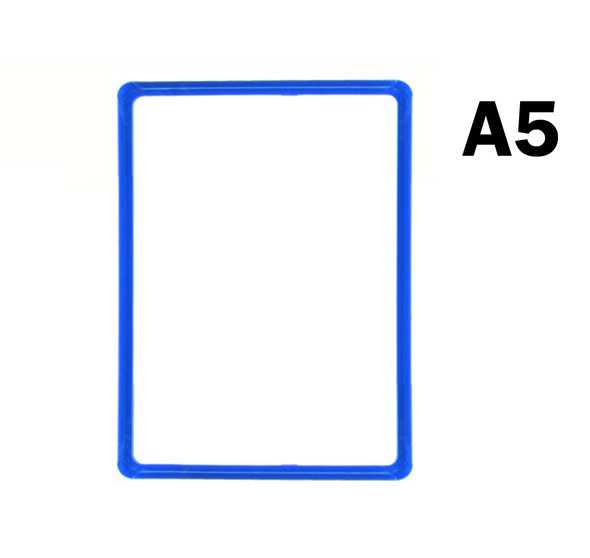
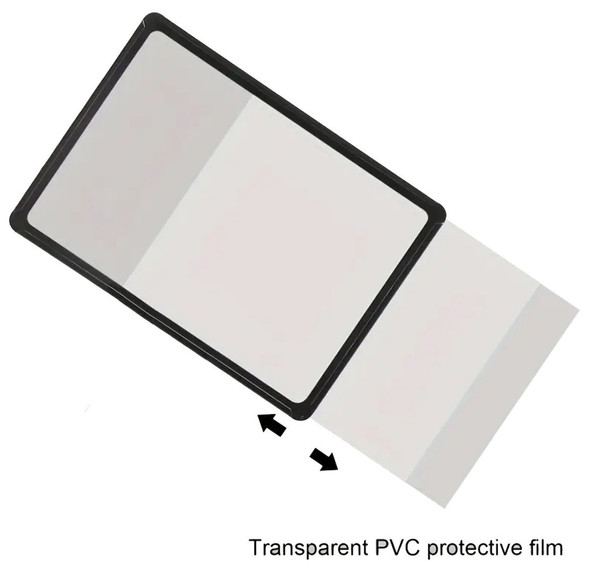
A5 POS Sign Holder Frame - PVC Slide-In, Blue
TLT Retail Display
$4.80This is the frame on its own, in blue. Also in black, red; or in$4.80 -


A5 POS Sign Holder Frame - PVC Slide-In, Red
TLT Retail Display
$4.80This is the frame on its own, in red. Also in black, blue; or in$4.80 -

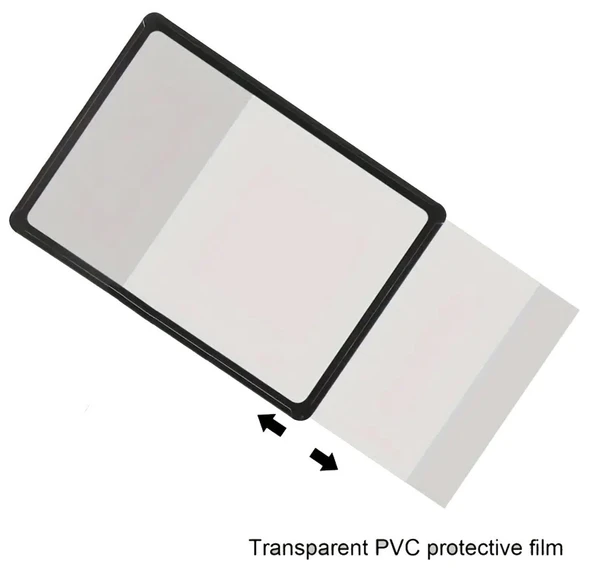
A4 POS Sign Holder Frame - PVC Slide-In, Blue
TLT Retail Display
$6.10This is the frame on its own, in blue. Also in black, red; or in$6.10 -
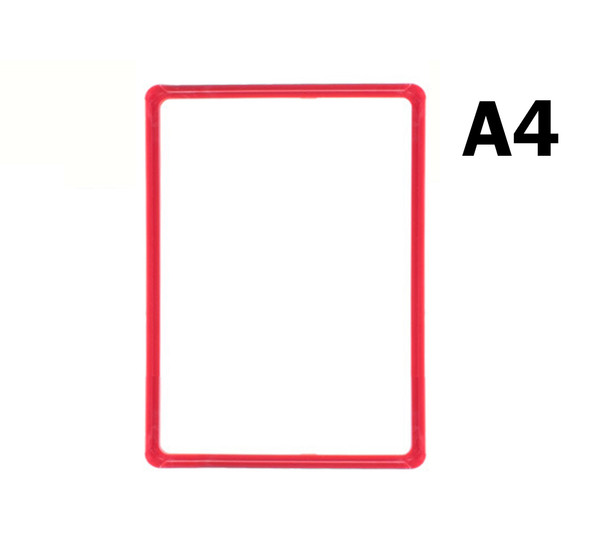

A4 POS Sign Holder Frame - PVC Slide-In, Red
TLT Retail Display
$6.10This is the frame on its own, in red. Also in black, blue; or in$6.10 -

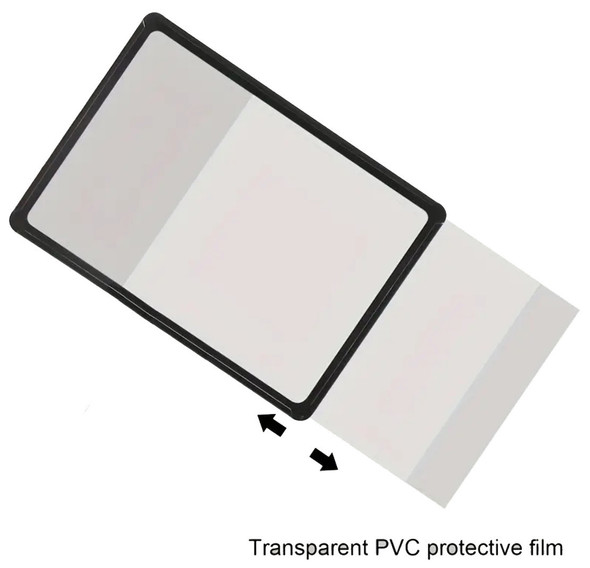
A4 POS Sign Holder Frame - PVC Slide-In, Black
TLT Retail Display
$6.10This is the frame on its own, in black. Also in red, blue; or in$6.10 -


A5 POS Sign Holder Frame - PVC Slide-In, Black
TLT Retail Display
$4.80This is the frame on its own, in black. Also in red, blue; or in$4.80 -


A3 POS Sign Holder Frame - PVC Slide-In, Black
TLT Retail Display
$8.55This is the frame on its own, in black. Also in red, blue; or in$8.55 -
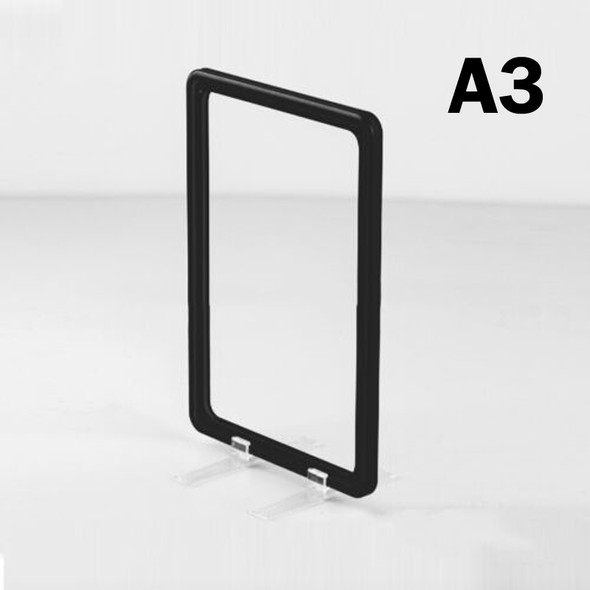

A3 POS Table Top Sign Holder - Counter Display Frame
TLT Retail Display
$12.50This is the table top version - frame plus two feet. Also as a floor stand on an adjustable pole, or as the$12.50 -


A5 POS Table Top Sign Holder - Counter Display Frame
TLT Retail Display
$7.75This is the table top version - frame plus two feet. Also as a floor stand on an adjustable pole, or as the$7.75 -


A4 POS Table Top Sign Holder - Counter Display Frame
TLT Retail Display
$9.95This is the table top version - frame plus two feet. Also as a floor stand on an adjustable pole, or as the$9.95 -


A3 POS Floor Sign Holder - Height Adjustable Stand
TLT Retail Display
$18.50 - $19.50This is the floor version - frame, adjustable pole and weighted base. Also as a table top stand, or as the$18.50 - $19.50 -


A4 POS Floor Sign Holder - Height Adjustable Stand
TLT Retail Display
$16.50 - $17.50This is the floor version - frame, adjustable pole and weighted base. Also as a table top stand, or as the$16.50 - $17.50 -

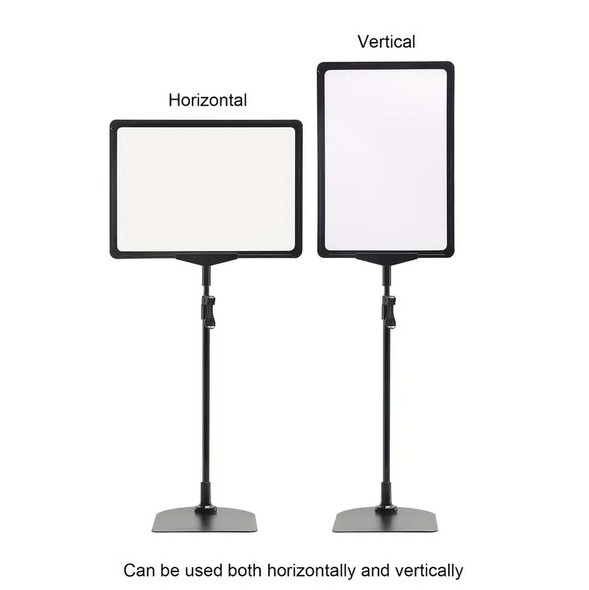
A5 POS Floor Sign Holder - Height Adjustable Stand
TLT Retail Display
$14.50 - $15.50This is the floor version - frame, adjustable pole and weighted base. Also as a table top stand, or as the$14.50 - $15.50 -
On Sale


POS Floor Sign Holder - A3 A4 or A5 on an Adjustable Pole
TLT Retail Display
$14.50 - $19.50This is the floor version - frame, adjustable pole and weighted base. Also as a table top standPick the size and the pole length from$14.50 - $19.50 -
On Sale

POS Table Top Sign Holder - A3 A4 or A5 Counter Display Frame
TLT Retail Display
$7.75 - $12.50This is the table top version - frame plus two feet. Also as a floor stand on an adjustable polePick the size from the drop-down above.$7.75 - $12.50
POS means the sign is standing where the decision is made
Point of sale, point of purchase, POS, POP — the same idea under four names. The sign is not on a wall or at the entrance. It is next to the product, at the moment somebody is deciding whether to pick it up.
That is what makes this category different from everything else we sell. A poster communicates to a room. A POS sign communicates to one person who is already standing in front of the thing it is talking about. It can be smaller, it can say less, and it has to answer the one question that is actually in their head: how much, what is it, why this one.
Frame colour is a system, not a decoration
The slide-in frames here come in more than one colour, and the useful way to use that is as a code rather than as styling.
Pick one colour for price and promotion, one for information that is not a promotion, and one for anything permanent — shelf categories, directions, safety. Keep it consistent across the shop and two things happen. Staff stop asking which frame to use. And regular customers learn, without being told, that one colour means something has changed here, which is exactly the attention a promotion needs.
The failure mode is the opposite: frames bought in whatever colour was available, so the colour means nothing and every sign competes equally for attention. At that point you may as well have used one colour throughout.
Floor, counter, or clipped to the fixture
Three heights, three jobs.
A floor stand on an adjustable pole puts the sign at eye level in an aisle or at the end of a run. Height adjustment matters more than it sounds: a sign set for a standing adult in a supermarket aisle is in the wrong place in a showroom where people are looking at something low. Set it once, to the actual thing it refers to.
A counter frame sits on the bench at the till or beside a product group. This is where a price or a short offer belongs, because the customer is stationary.
A clip-on holder attaches to the fixture itself, which is the right answer when there is no counter space and no floor space — a shelf edge, a basket rim, a rail. The swivel versions let you angle the sign towards where people are walking from rather than straight ahead.
The re-writable option, and when it beats printing
One holder here takes a liquid chalk marker and wipes clean. That suits a price that moves — produce, seafood, a market stall, anything sold by weight or by the day.
The test is how often the number changes. If it changes weekly or less, print it; printed type is cleaner and more legible than handwriting. If it changes daily, printing is a chore that will quietly stop being done, and a hand-written sign that is current beats a printed one that is wrong.
Changing the sign without taking the stand apart
These use a slide-in channel: the print goes in from the top, behind a clear film, and comes out the same way. There is nothing to unscrew and nothing to lose.
Two practical notes. Print on stock heavy enough to stay flat but thin enough to slide — if it has to be forced, it is too thick, and forcing it is what scratches the film. And keep the artwork clear of the edges, because the channel overlaps the print on three sides.
Keep the old inserts. A promotion that ran well is usually run again, and finding last year's sign in a drawer is faster than having it reprinted.
POS display FAQ
What size should a POS sign be?
Smaller than you think. The customer is standing next to it. A4 or A5 at a counter or on a shelf is read at arm's length; A3 is for an aisle or an end cap where people are a few paces back.
Can I print these myself?
Yes, and most people do. Standard A-size paper from an office printer is exactly what the channel is designed to take.
Does the frame come with a sheet in it?
Frames are supplied for your own print. If you need the artwork produced as well, that is a print job rather than a display one — any local printer can do it from a file.
Can I use these outside the shop?
They are indoor fittings. For a footpath, you want something built to be weighted and to fold away at night — see the A-frames and pavement signs.
Can I get the frames in a colour that is not listed?
Ask us. Tell us how many and which sizes, and we will tell you what is possible.
What if the sign needs to be bigger, or on the floor by itself?
For a poster at eye level on its own stand, the poster stands and floor sign holders. For a sign on a counter in clear acrylic rather than a coloured frame, the counter sign holders. The wider floor-standing range is under floor standing menu and catalogue stands.